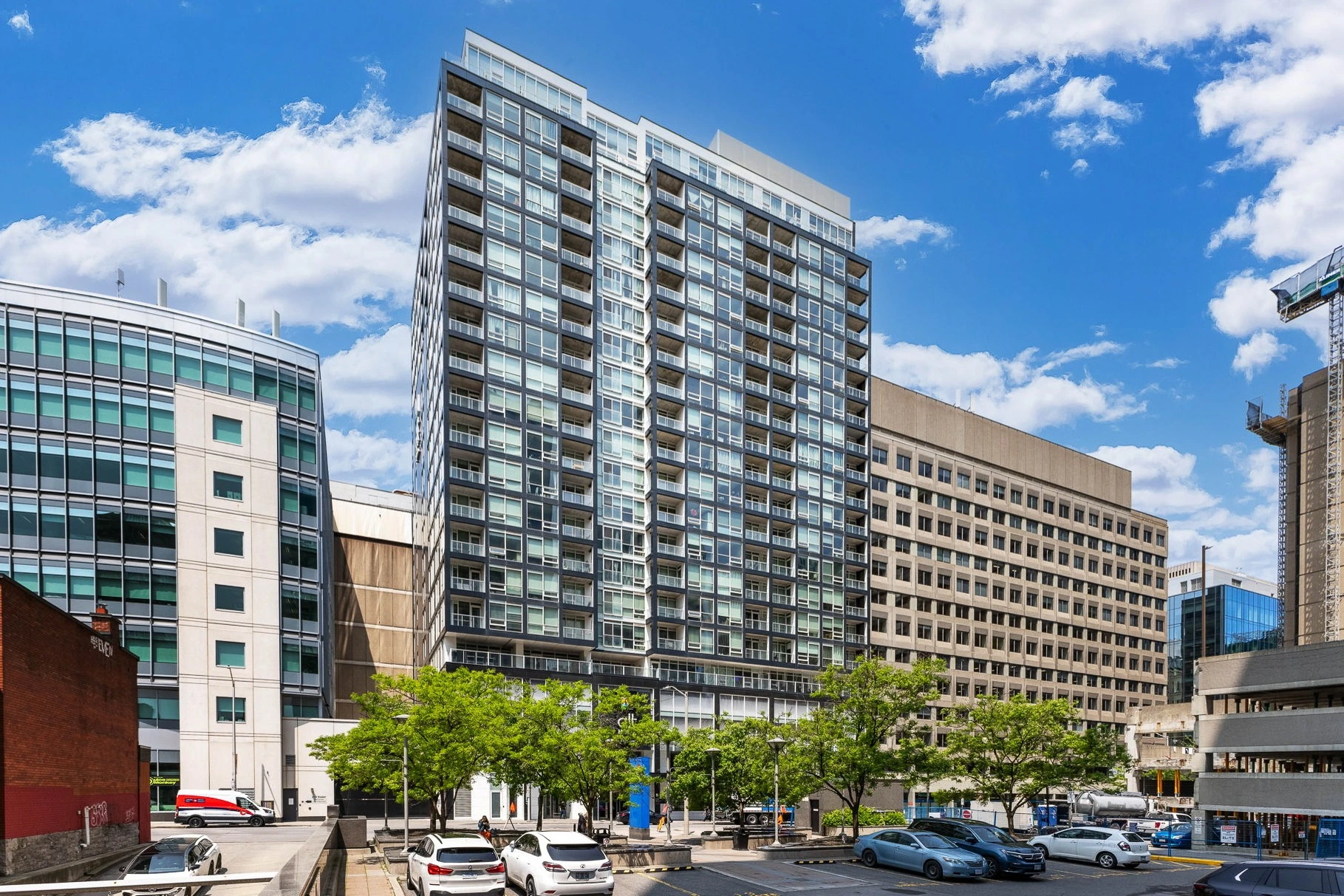
Start with your daily routine
Before comparing buildings, write down what an ordinary week looks like. Where do you work? How do you get groceries? Do you walk a dog, cycle, drive or use transit? A building can look ideal in photos and still add friction to the things you do every day. Pick three priorities and separate them from features that would simply be nice to have.
Compare the suite and the building separately
Make one list for the suite: usable room dimensions, storage, natural light, balcony space and the furniture you want to bring. Make another for the building: entrance, elevators, shared spaces and the route from your parking space to your front door. An appealing suite should not distract you from the parts of the building you will use regularly.
Use the same questions at every showing
Ask where visitors park, how deliveries arrive and what storage comes with the specific unit. If parking or a locker matters to you, confirm the details for that unit rather than assuming every suite has the same arrangement. Keep unanswered questions on your shortlist so they can be checked before you decide.
Visit the surrounding streets
Walk a few blocks before or after your showing. Try the route to the shops or transit stop you expect to use. If possible, return at a different time of day to see how the area feels. Your own visit is more useful than assuming that a neighbourhood label tells you everything.
Narrow your shortlist
Choose two or three buildings and record what you liked, what you would compromise on and what still needs verification. Use the building guides as a starting point, then confirm current information for the particular unit and condominium corporation with the appropriate professionals.