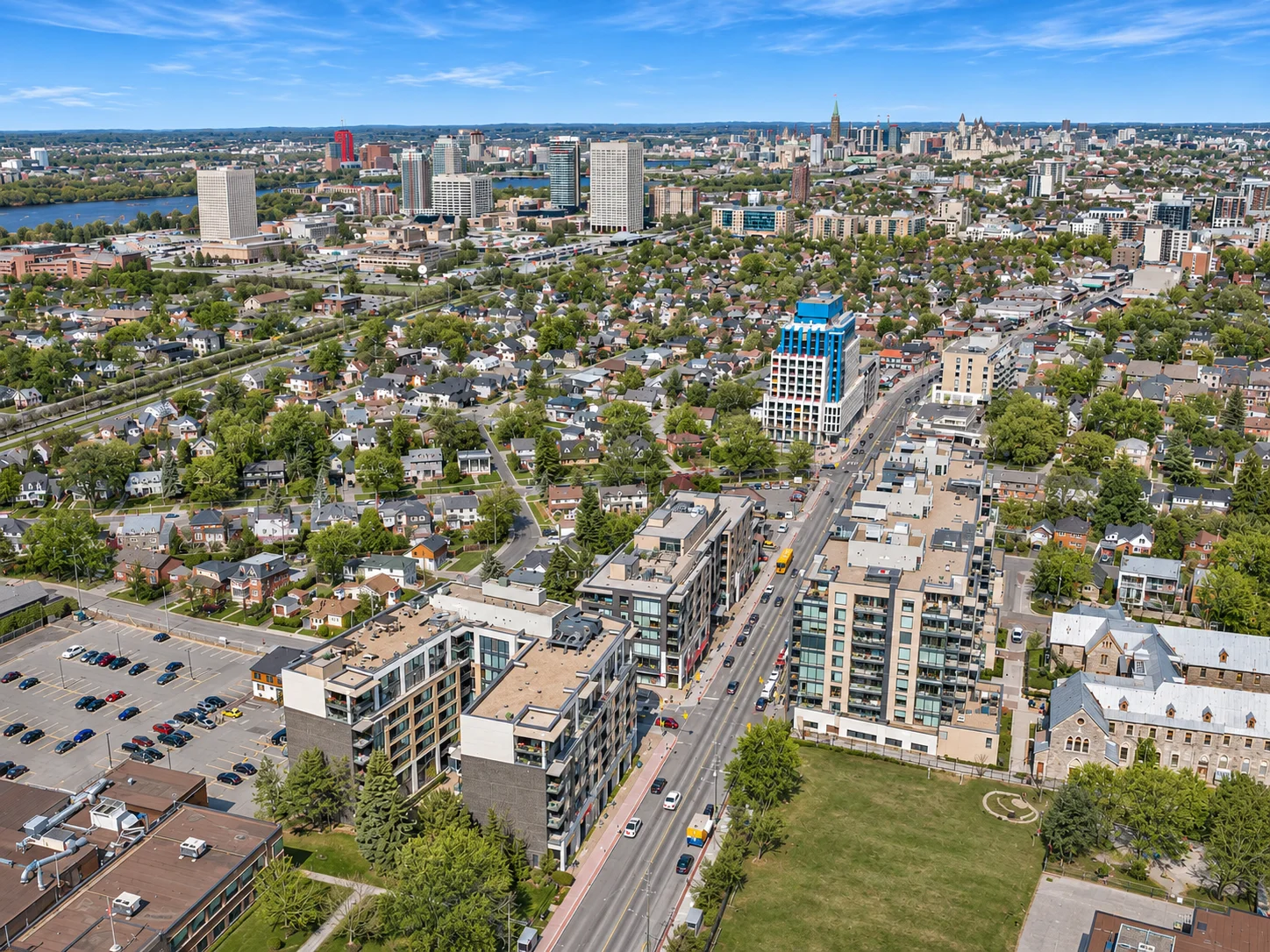
Map the places you already go
List the destinations you visit most: work, friends, family, groceries, exercise and favourite cafés. Compare the actual routes from buildings you are considering. Test trips at the times you would normally make them rather than relying only on a distance on a map.
Decide what you want within walking distance
Choose the everyday errands you would like to do on foot. Walk those routes and notice crossings, hills and the comfort of the sidewalks. If cycling or transit is important, include those trips in your research too. The right balance will be different for every buyer.
Explore more than one pocket
Use the Centretown, Hintonburg and Wellington West, Glebe and other neighbourhood guides to start your search. Within each area, compare individual streets and buildings. A broad neighbourhood name cannot capture the setting of every front door.
Try your weekend routine
Spend some unhurried time near a shortlisted building. Take the walk you imagine doing on a Saturday, visit a local shop or find a place to sit outside. Consider what you enjoy now and whether the location would also work if your routine changed.
Connect the neighbourhood to a specific building
Once you have a few areas in mind, compare the layouts and features available in the buildings there. If your favourite neighbourhood means compromising on an essential suite feature, explore nearby alternatives. Keep the shortlist focused on your daily needs rather than choosing by neighbourhood reputation alone.